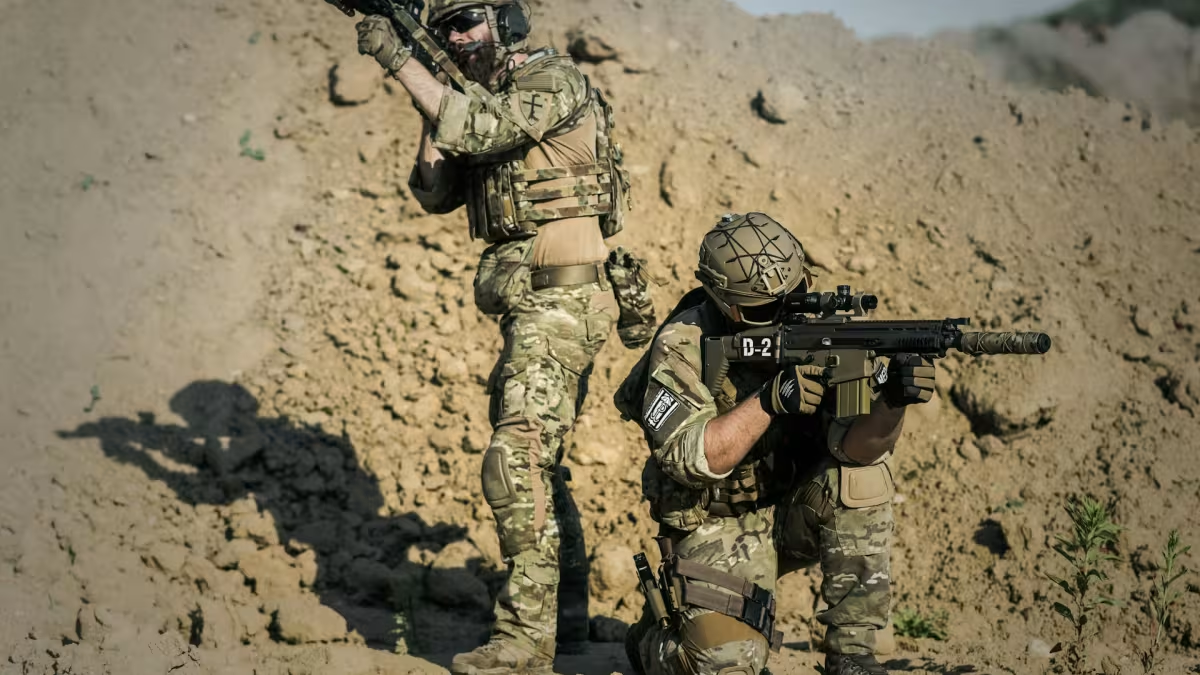
Defense Secretary Pete Hegseth confronted lawmakers over mounting expenses tied to military operations against Iran, drawing sharp questioning about how the Pentagon plans to manage the escalating financial burden.
The tension reflected broader concern on Capitol Hill about the fiscal impact of the conflict. As military operations intensify, fuel costs have spiked at gas pumps across the country, with prices climbing back above $4 per gallon in recent weeks. The dual squeeze on military budgets and consumer wallets has put the administration's Iran strategy under renewed scrutiny.
Hegseth faced questions about defense spending priorities and resource allocation as the conflict deepens. Lawmakers pressed him on whether current military commitments were sustainable and what contingencies existed if the situation escalated further.
The hearing underscored the widening gap between military objectives and fiscal reality. Defense officials have sought to justify expenditures as necessary for regional security, but members of Congress signaled growing impatience with open-ended commitments and unclear exit strategies.
Rising gasoline prices have also emerged as a political liability, with Americans increasingly aware of the connection between military operations and their household expenses. The combination of conflict costs and consumer pain at the pump creates political pressure that extends beyond the Pentagon's corridors.
Author Sarah Mitchell: "Hegseth walked into a room tired of hearing about escalating bills, and he didn't have answers that satisfied anyone."
Comments