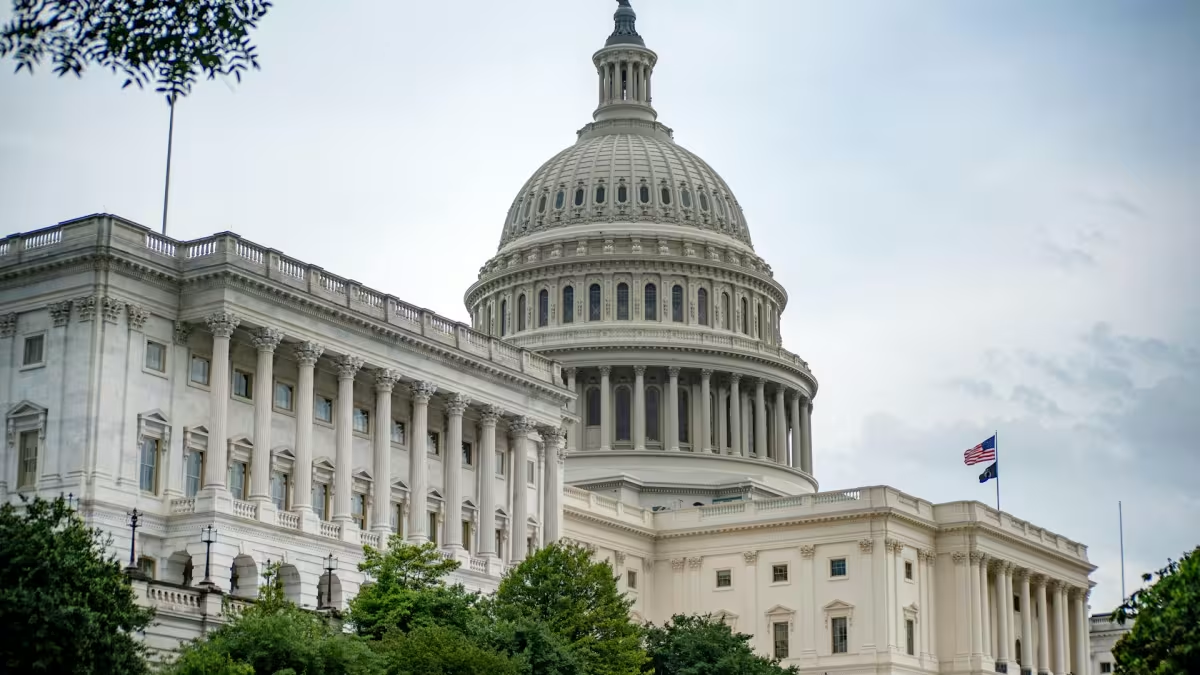
The Smithsonian Institution opened its doors to thousands of visitors on July 4, drawing crowds seeking shelter from the heat while the nation marked its 250th birthday. For many, the museums became more than just a climate-controlled retreat on a sweltering day. They became spaces to contemplate fundamental questions about American identity and national purpose.
The timing underscored a complicated moment for the institution itself. The Smithsonian has faced mounting criticism and pressure from the Trump administration, creating an unusual backdrop for Independence Day celebrations. Yet visitors moved through galleries and exhibits, many appearing to use the visit as a moment to reflect on what citizenship and belonging mean in the country's third century.
The museums draw millions annually, but holiday visits carry particular weight. Families and tourists traditionally use Independence Day to engage with American history, whether intentionally or incidentally. This year, the Smithsonian's role as custodian of national memory seemed sharper, especially given the institutional tensions making headlines.
The museums' cooling systems worked overtime as temperatures climbed outside, but the real draw appeared deeper than comfort. Visitors lingered before artifacts and displays, some pausing at exhibits dealing directly with American founding ideals, conflict, and change. The physical act of entering these spaces, curated by an organization now under fire, became its own statement for some patrons.
The Smithsonian declined to release visitor numbers for the holiday, but staff reported strong crowds throughout the day. Whether visitors came deliberately to make a political point, to escape the heat, or simply to observe tradition as they always do remains unclear. What seemed certain was that on a day designed to celebrate the nation, the Smithsonian provided a place where Americans could sit with harder questions about what that celebration actually meant.
Author Sarah Mitchell: "The Smithsonian under attack became an unlikely symbol of what Americans are fighting over on their birthday."
Comments