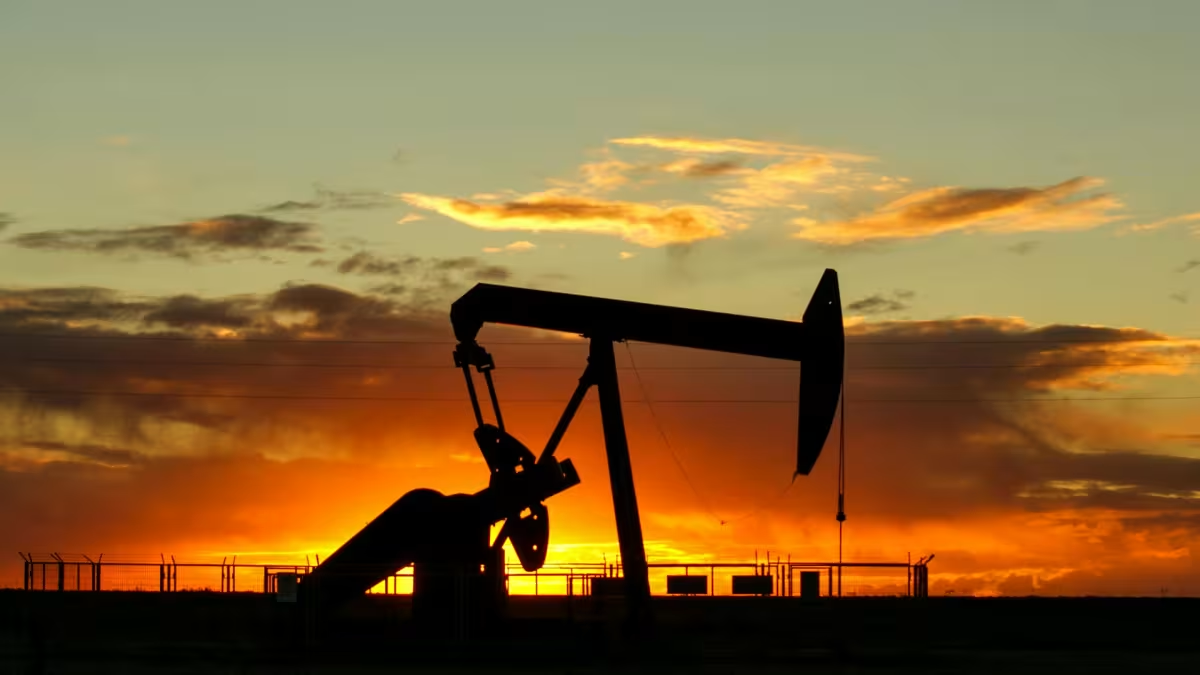
Energy costs are climbing fast, yet the broader economy is not showing the expected inflationary ripple effects that usually follow commodity shocks. The disconnect is holding for now, but experts warn the reprieve may not last.
Gas pumps and heating bills are straining household budgets as energy prices surge. Normally, such a shock would quickly feed into overall inflation, pushing up costs across the supply chain from transportation to manufacturing. Consumers would feel the pinch within weeks or months as businesses passed along their rising fuel expenses.
That transmission has not happened yet, creating what amounts to a temporary cushion for shoppers already dealing with tight finances. The lag suggests other factors are keeping price pressures in check, at least in the near term. Supply chains have stabilized since pandemic disruptions. Labor markets are cooling slightly. Demand, while steady, is not running so hot as to amplify every cost increase.
But the clock is ticking. History shows energy shocks do eventually reach consumer prices unless something breaks the chain. If energy stays elevated and the broader economy overheats, that silver lining will fade. Central banks face a delicate balancing act: let inflation take hold while trying to manage growth, or tighten policy now and risk slowing the economy unnecessarily.
The window for enjoying this reprieve from broader price pressures is narrow. Policymakers and businesses are watching closely to see whether the current containment holds or whether the traditional inflation playbook reasserts itself. For consumers, that distinction could mean the difference between manageable price growth and a return to rapid inflation.
Author James Rodriguez: "This reprieve is real, but it's not permission to relax. Energy shocks have a way of catching up with you."
Comments