The United States has spent months bombing Iran, depleting weapons stockpiles, and destabilizing global energy markets. Now Donald Trump finds himself back where he started, trying to persuade Tehran to accept terms it already rejected years ago. The only difference is that Iran has leverage Trump didn't anticipate.
What began as a supposed maximum-pressure campaign has devolved into damage control. Trump withdrew from the 2015 nuclear deal, known as the JCPOA, claiming he could force a better agreement. Instead, he removed the very restrictions that had kept Iran's nuclear program in check. Under the original accord, Iran enriched uranium to just 3.67% purity. After Trump's withdrawal, that limit vanished. Iran responded by producing nearly half a ton of uranium enriched to 60% purity, a short technical leap from weapons-grade material.
The administration's strategy of bombing and sanctioning Iran into submission failed. Trump hoped that military strikes, particularly targeting Iranian leadership, would either topple the regime or trigger a popular uprising. Neither happened. If anything, the strikes strengthened hardliners within Iran's military establishment while ordinary Iranians focused on survival rather than revolution.
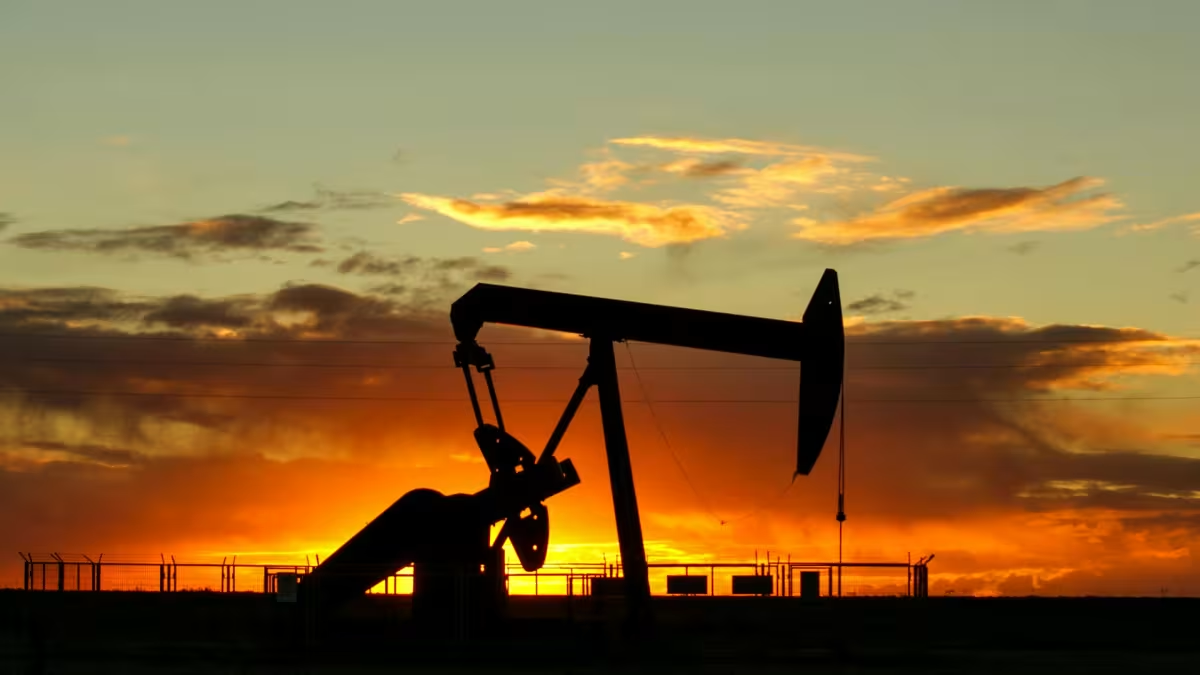
What Trump did accomplish was transforming the Strait of Hormuz into a genuine vulnerability. One fifth of the world's oil and liquified natural gas passes through that waterway. By destabilizing the region, Trump turned a theoretical chokepoint into a real one, giving Iran a weapon more economically potent than any military arsenal. Oil prices have climbed accordingly, and the inflationary pressure is complicating Trump's political calculations ahead of upcoming elections.
Now Trump is negotiating a preliminary memorandum of understanding to restart diplomatic talks. The proposed 60-day ceasefire would buy time for more permanent negotiations, but the details reveal just how badly Trump's negotiating position has deteriorated. Iran reportedly demands that frozen assets be released and sanctions lifted before nuclear talks even begin. The Iranians are also seeking reconstruction funds in amounts substantially larger than those Trump had attacked Obama for providing.
The irony is sharp. Trump went to war claiming he wanted a better nuclear deal than Obama secured. The preliminary agreement now being discussed would essentially return to the February status quo, before the bombing campaign began. The core nuclear issues, such as restricting uranium enrichment and neutralizing Iran's existing highly enriched uranium stockpile, are being pushed to later negotiations. The other grievances Trump cited as justifications for war, including Iran's ballistic missiles and regional militia support, apparently won't be addressed at all.
Trump's desperation to get oil flowing again before the midterms has become obvious to Tehran. That knowledge has given Iranian negotiators upper hand they lacked in prior talks. The proposed agreement would require unrestricted passage through the strait, though Trump has even threatened military action against Oman if it aligns with Iran on the issue. Iran may sidestep a direct toll by implementing what it calls environmental fees, a workaround that would have been unthinkable before the war.
The broader regional picture has grown more complicated as well. Iran is insisting that any ceasefire extend to Israeli operations in Lebanon, where a separate military campaign has displaced roughly one million people. Israel, meanwhile, has used the cover of broader negotiations to intensify operations and advance into new territory, the first major incursion across the Litani River in two decades.
Trump entered office promising to master negotiations. His track record on Iran suggests otherwise. He inherited a functioning nuclear agreement that constrained Iran's program through intrusive inspections and real limits on enrichment. He discarded it in favor of military coercion that failed to produce results and instead handed Tehran legitimate grievances and concrete leverage over global energy supplies.
Author James Rodriguez: "Trump wanted to be seen as the dealmaker who bested Obama, but he's ended up worse off than the day he took office, now scrambling to accept terms even less favorable than the deal he trashed."
Comments