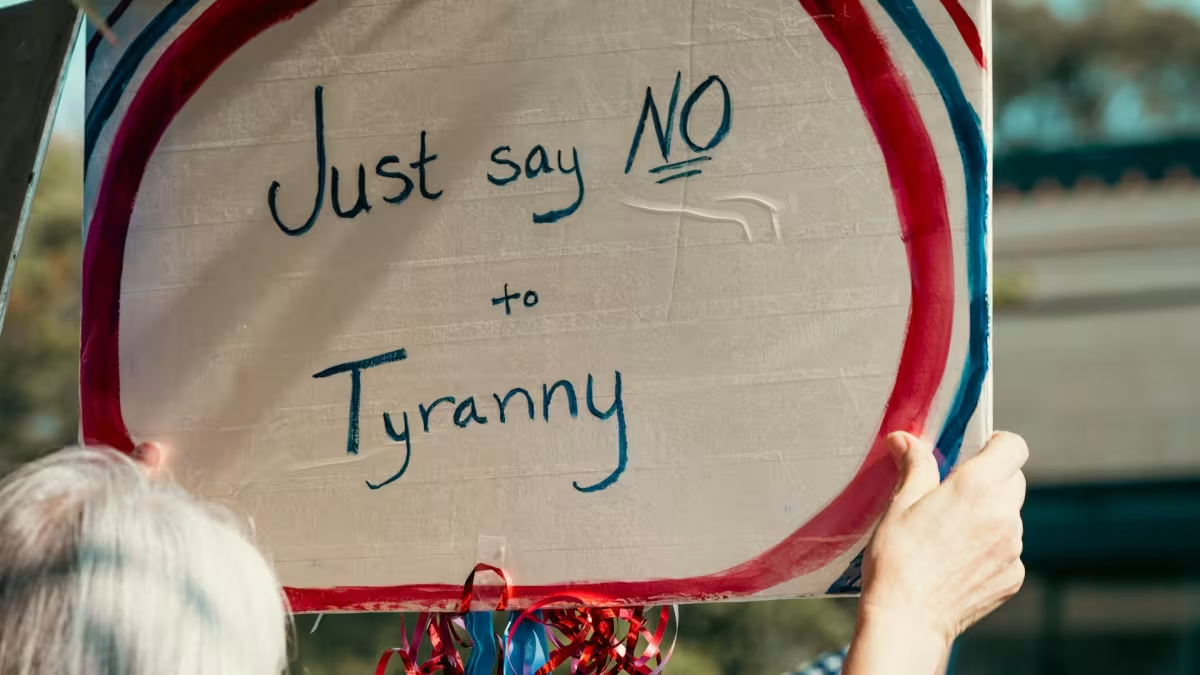
When the framers of the Constitution gathered in Philadelphia, they envisioned a presidency capable of decisive action but constrained by law and legislative oversight. Scholars now debate whether Donald Trump's political career and governance style represent the exact kind of executive power the founding generation feared.
The architects of the presidency wanted vigorous leadership. They rejected the weak chief executive model and instead created a role with real authority over foreign policy, military command, and domestic enforcement. Yet this energy came with built-in checks. Congress controls spending and can override vetoes. The Senate confirms judges and cabinet officials. Impeachment remains available as a constitutional remedy.
Trump's approach has tested these boundaries repeatedly. His use of executive orders, his conflicts with intelligence agencies, his resistance to congressional subpoenas, and his challenges to the courts have prompted constitutional experts to examine whether modern presidents have outgrown the accountability mechanisms the founders installed. Some argue he exploited structural gaps in oversight that only work when presidents choose to respect them voluntarily.
The framers assumed future presidents would operate within an unwritten code of restraint and constitutional duty. They did not anticipate a chief executive willing to contest basic institutional norms or push the limits of executive power to their furthest reaches. Whether Trump represents an aberration or signals a permanent shift in how the presidency functions remains contested among legal scholars and historians.
Author Sarah Mitchell: "The Constitution was built for ordinary presidents, not those willing to burn the playbook."
Comments