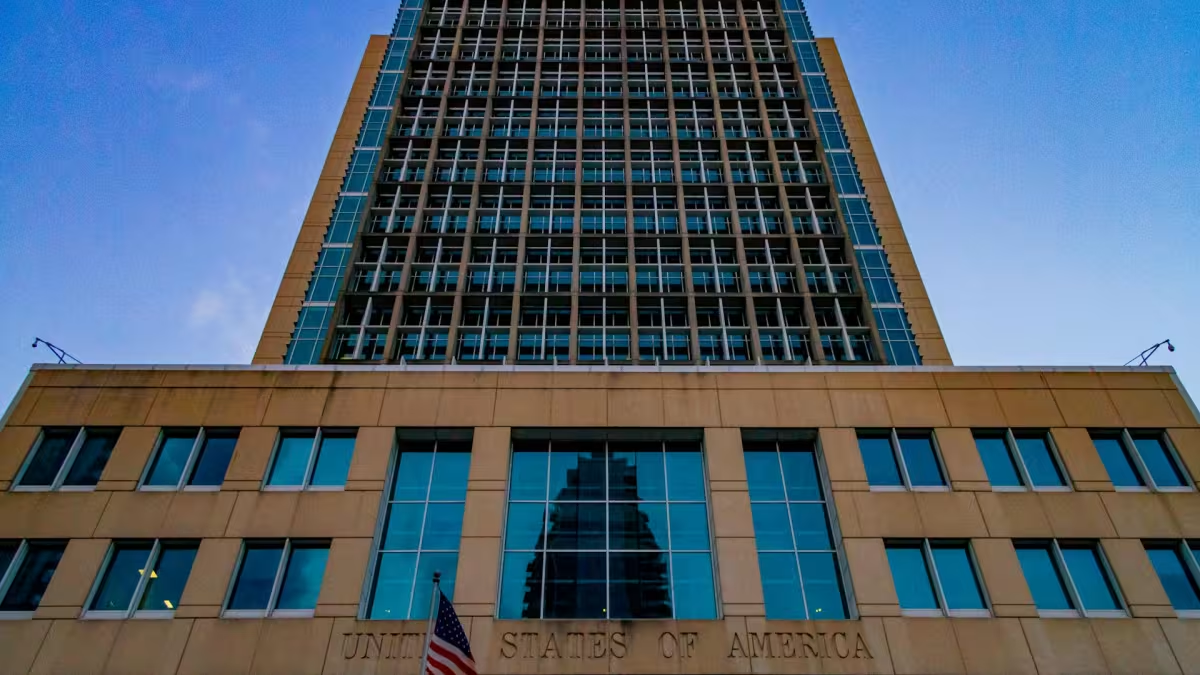
The Trump administration's effort to rebuild American naval power faces a serious obstacle: internal Pentagon conflict that could derail the entire strategy.
Rebuilding the Navy requires sustained focus and coordinated planning across competing military branches and agencies. Yet institutional disagreements within the Department of Defense are undermining those efforts before they gain real momentum. The bureaucratic friction is slowing decisions on ship construction, fleet composition, and modernization priorities that cannot be delayed if the U.S. wants to maintain maritime superiority.
The window to act is narrow. Naval rebuilding is measured in years and decades, not months. Each delay in procurement decisions, budget approval, or strategic planning sets back timelines for vessel launches and fleet readiness. Pentagon infighting over budgets, doctrine, and departmental turf wars historically consumes time and resources that should flow toward actual military capability.
The challenge is not a lack of urgency or funding. The real problem is that competing interests within the Pentagon are not aligned on how to spend what is available. Without clear internal consensus, any naval expansion effort will be slow, inefficient, and vulnerable to further political disruption.
Fixing this requires leadership willing to make hard calls and enforce discipline across the defense establishment. The administration needs to settle internal Pentagon disputes quickly and decisively, then lock in strategy long enough to execute it. The alternative is years of blocked progress while rivals abroad continue expanding their own naval capabilities.
Author James Rodriguez: "Pentagon infighting over money and strategy cannot delay what should be the easiest part of any military rebuild: deciding what to build first."
Comments