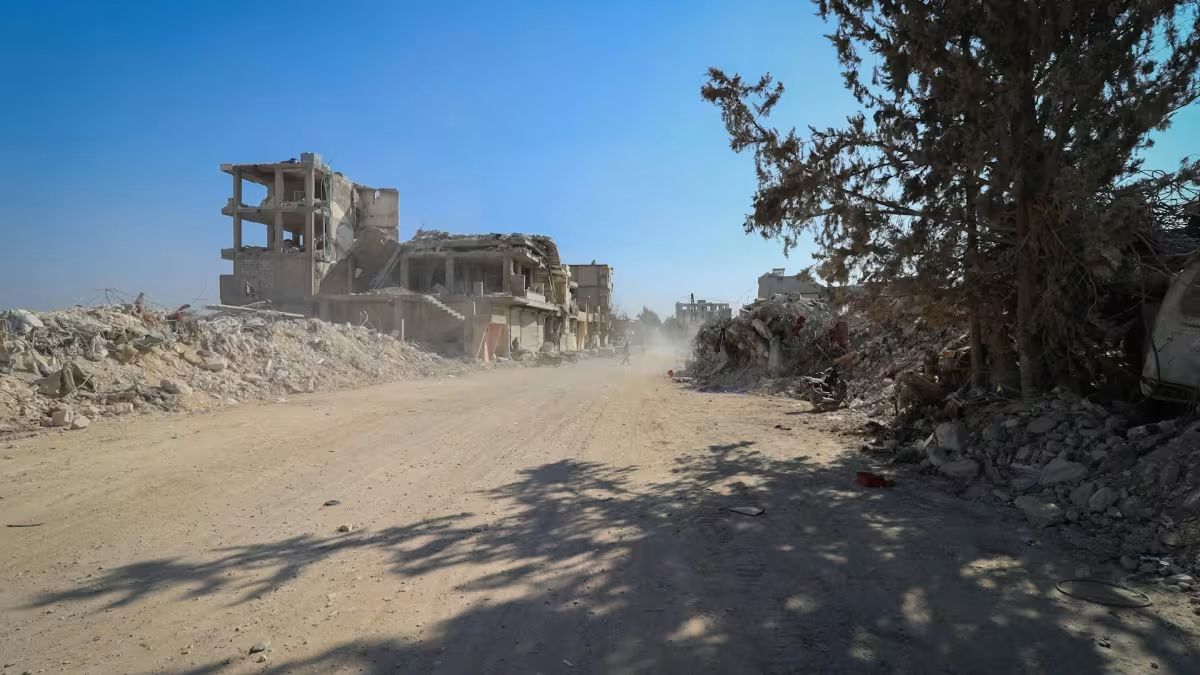
Diplomatic efforts to ease US-Iran tensions are underway in Pakistan, yet the region shows no signs of cooling. Instead, military escalations and economic disruption are intensifying across multiple fronts.
The most visible flashpoint remains the Israel-Hezbollah conflict in Lebanon, where both sides continued trading attacks as negotiations proceeded. Meanwhile, critical shipping corridors have become virtual dead zones, with commercial traffic through the Strait of Hormuz nearly frozen. Only two vessels navigated the crucial waterway on Friday, a stark indicator of how security fears are crippling regional commerce.
The Strait of Hormuz serves as the world's most important oil chokepoint, and the dramatic slowdown underscores how little faith markets and shippers have in any breakthrough from the diplomatic table. Insurance costs and geopolitical risk premiums are likely pushing vessels to reroute or delay entirely.
Israel's continued strikes against Hezbollah suggest Tel Aviv has little patience for backroom talks between Washington and Tehran. The Lebanese militant group, which receives extensive Iranian support, remains a primary focus of Israeli security concerns. Each round of tit-for-tat attacks demonstrates how quickly the situation could spiral beyond whatever diplomatic progress might emerge.
NBC correspondent Stephanie Gosk reported on the unfolding situation from Tel Aviv on Saturday TODAY, offering on-the-ground perspective as the talks continued in Pakistan.
The disconnect between negotiators in South Asia and combatants in the Levant reflects the deep structural problems complicating peace efforts: multiple actors with competing agendas, proxy relationships that muddy direct diplomacy, and entrenched military positions that show no signs of yielding to political pressure.
Comments