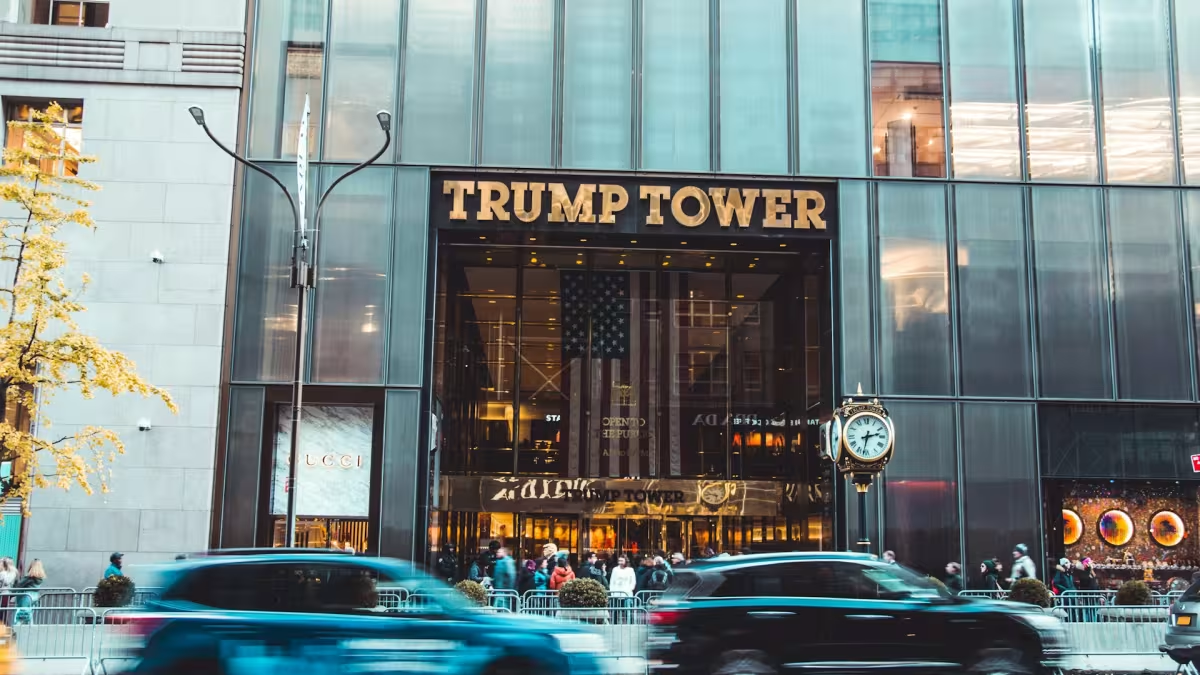
Donald Trump is charting a course that sets him apart from his predecessors, moving to launch new business enterprises rather than distance himself from commercial interests during his presidency. The strategy marks a sharp departure from the historical norm of sitting presidents divesting or shelving business operations to sidestep conflict-of-interest concerns.
For decades, presidents have treated their business portfolios as potential liabilities once taking office. The standard playbook has involved either selling assets, placing them in blind trusts, or at minimum announcing plans to step back from day-to-day operations. Trump is rejecting that model outright.
The move invites scrutiny over the intertwining of presidential duties and personal financial gain. Critics argue that expanding rather than constraining business activities while serving as president creates an unprecedented mingling of public office and private enterprise. Yet Trump's team has shown no inclination to adopt the protective measures that have long been considered essential safeguards.
The decision reflects Trump's broader willingness to challenge establishment conventions. Whether by design or by conviction, his approach to managing business interests while governing stands in stark contrast to the careful separation of roles that has governed presidential conduct in modern times.
The implications remain unclear, but the break with tradition is unmistakable. As Trump pursues new ventures, watchdogs and lawmakers will likely intensify scrutiny of how presidential authority and personal business decisions interact.
Author Sarah Mitchell: "This isn't business as usual, and Trump knows it, which is exactly why he's comfortable doing it."
Comments