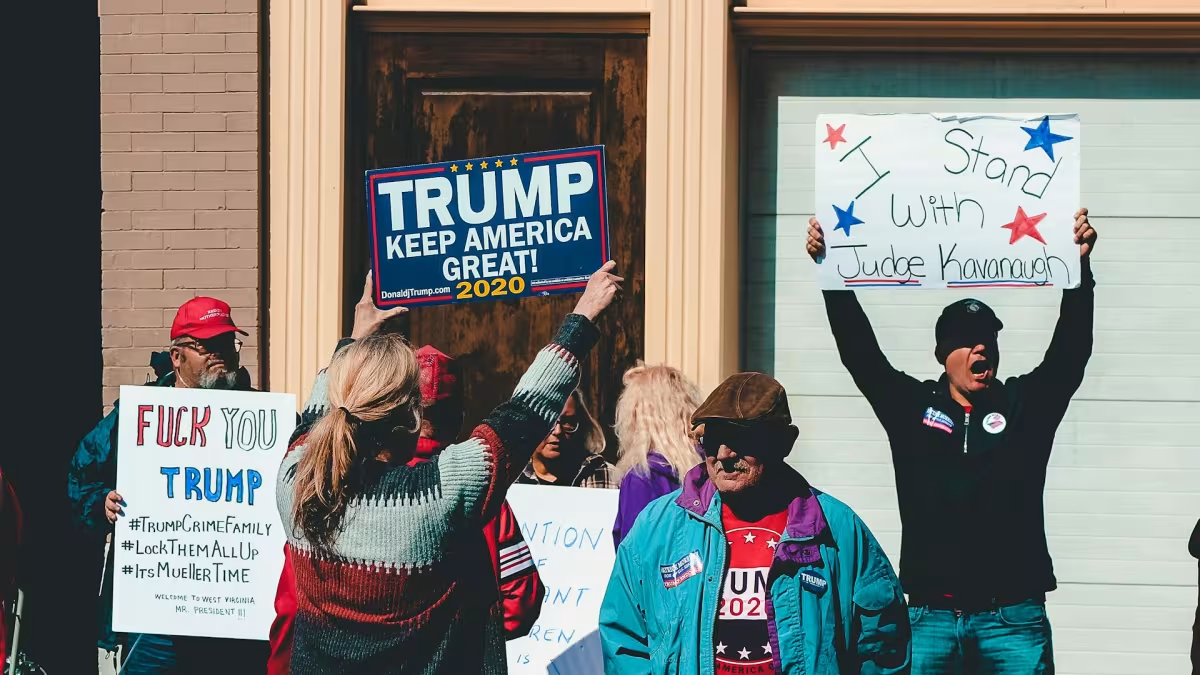
Republicans entered June facing an unexpected crisis after what looked like a banner spring. A series of MAGA primary victories and favorable redistricting had positioned the party for strong midterm gains, yet early summer exposed fundamental fractures within the GOP coalition.
The disconnect between Trump's grip on primary voters and his ability to steer the party toward November success has left Republican leadership scrambling. Trump's influence in nominating races proved potent, but his erratic approach to party strategy created openings for Democrats heading into the general election stretch.
Internal GOP tensions flared as Trump's unpredictable decisions collided with establishment Republicans' desire for a more disciplined midterm message. Party leaders worried that Trump's focus on primary vengeance matched poorly with the swing-voter appeal necessary to hold the House and flip the Senate.
The redistricting gains Republicans secured offered real ammunition for November, yet the midterm landscape proved murkier than spring optimism suggested. Economic headwinds and shifting voter sentiment complicated the GOP's path forward, even with favorable district maps in place.
Some Republicans openly questioned whether Trump's continued dominance over the party would ultimately hurt rather than help their midterm prospects. The tension between Trump's base-energizing appeal and broader electorate concerns deepened as summer approached.
By early June, what had appeared as a strong Republican position entering the year had become a test of whether Trump's political formula could translate primary success into midterm victory without fracturing the party further.
Author Sarah Mitchell: "Trump's midterm leadership style reads less like strategy and more like improvisation, and Republicans are discovering that won primaries don't automatically win Novembers."
Comments