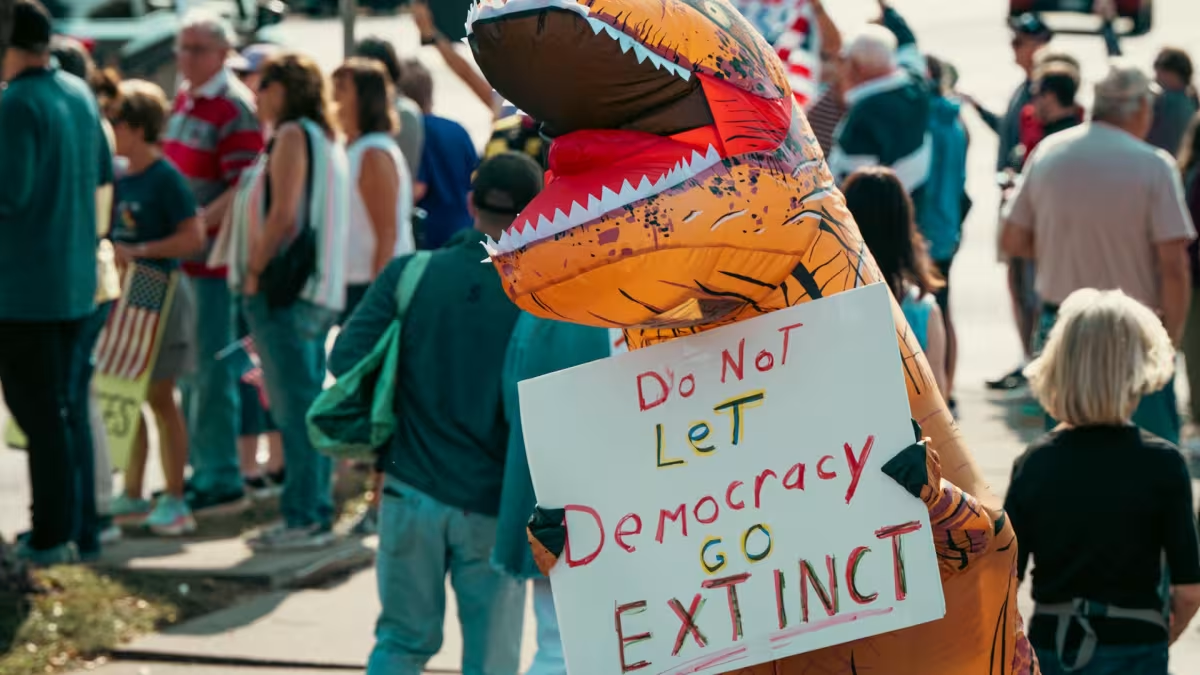
Tuesday's primaries across California, Iowa and beyond delivered unexpected results that scrambled calculations for November and raised urgent questions about the shape of the race ahead.
California's gubernatorial contest sent mixed signals about voter enthusiasm. The state's top-two primary system meant frontrunners advanced to the general, but turnout patterns and demographic splits offered clues about which way the state might break in a general election matchup. Whoever emerges will face pressure to address issues that animated the primary electorate.
Iowa presented perhaps the starkest puzzle. Democrats have long viewed the state as problematic territory, but primary results suggested either an opening or a false flag. The question now centers on whether Democratic candidates can build on any momentum or whether the state remains safely Republican in a general contest. Early organizing efforts and candidate investment will shape that answer over the coming months.
Beyond these contests, the primaries offered a broader snapshot of where each party stands heading into fall. Candidate quality, turnout disparities, and regional performance all factored into what strategists will dissect as they allocate resources and refine messaging.
The immediate focus shifts to how frontrunners position themselves for the general election. Winners from Tuesday will need to consolidate support from primary rivals and expand appeal to general election voters, a delicate balance that often determines whether primary victories translate into November wins.
Author Sarah Mitchell: "These results expose real fractures in both parties, and the candidates who can't bridge them won't survive the fall."
Comments