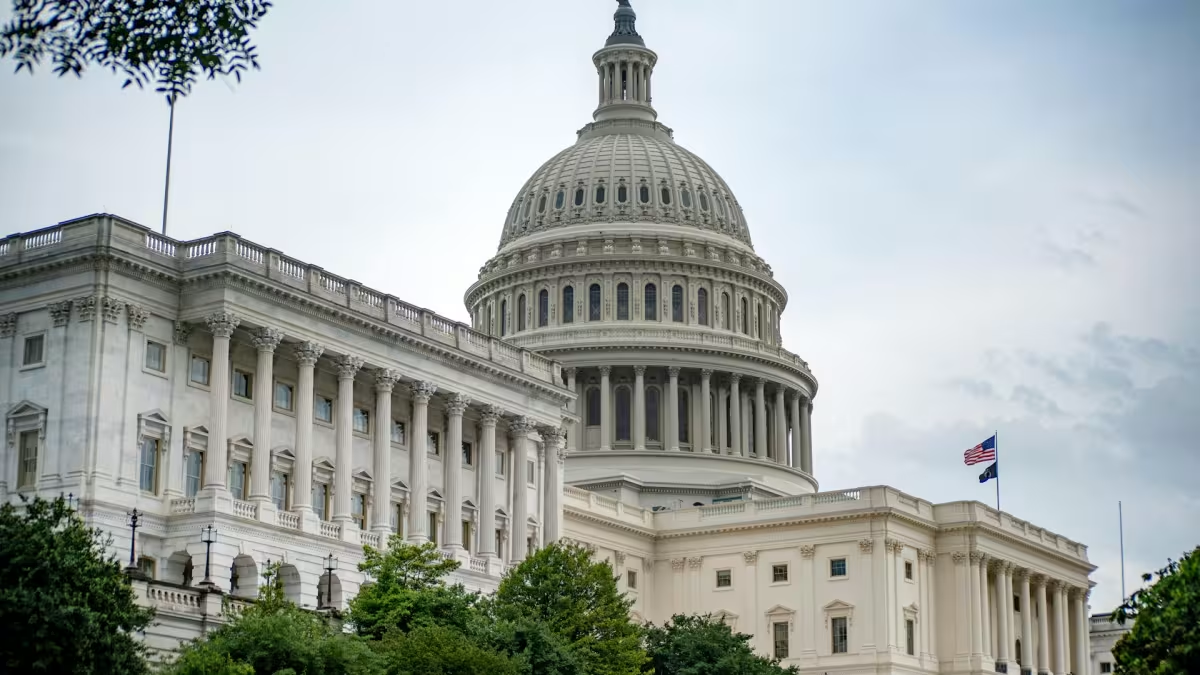
The Justice Department has subpoenaed the Wall Street Journal as part of a leak investigation tied to the newspaper's reporting on internal deliberations about potential military action against Iran, prompting immediate concerns from press advocates about the boundaries of government power.
The move marks another instance of federal investigators seeking to compel a news organization to reveal sources and reporting materials. The subpoena seeks information related to a Journal article that examined classified discussions within the administration on military risks.
Media watchdogs and free press advocates flagged the action as troubling, arguing that aggressive subpoenas of news outlets can have a chilling effect on investigative journalism and on sources willing to speak to reporters about government operations. The concern centers on whether the government is using leak investigations as a pretext to suppress unfavorable reporting or to identify whistleblowers and other insiders.
The subpoena does not appear to have been made public through routine judicial channels, and details about the specific information sought remain unclear. Leak investigations by the DOJ have historically created tension between law enforcement and the press, particularly when they target news organizations directly rather than focusing solely on individuals suspected of wrongdoing.
The Journal's reporting on military deliberations is routine journalism that examines how senior officials weigh consequential decisions. Efforts to trace the article back to a source represent the kind of prosecutorial overreach that press groups argue undermines the institutional role of journalism in holding government accountable.
Author Sarah Mitchell: "The DOJ's aggressive pursuit of news organizations sets a dangerous precedent that could make sources think twice before exposing classified wrongdoing."
Comments